Sleep Deprivation and Pain: How Blue Light Disrupts Your Sleep Cycle
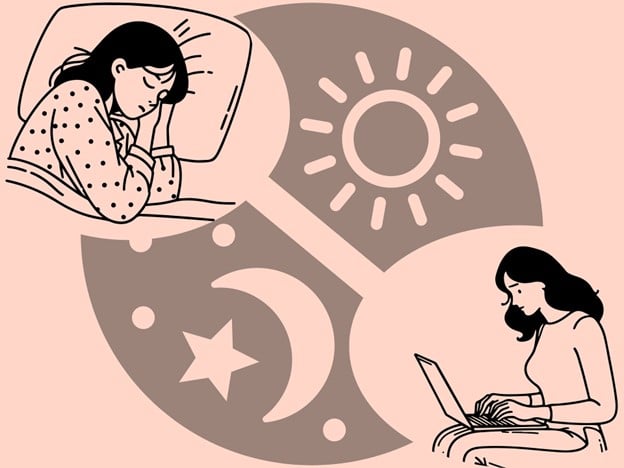
Which comes first—chronic pain or poor sleep? For many people, it’s a frustrating cycle. Pain can prevent restful sleep, while lack of sleep can actually increase pain and inflammation.
Understanding this connection is key to improving both your sleep quality and overall health.
How Blue Light Affects Your Sleep
As the sun sets, your brain naturally prepares for rest by producing the hormone melatonin, which helps regulate your sleep-wake cycle.
However, modern technology has disrupted this natural rhythm.
Artificial lighting, along with screens from phones, computers, and TVs, emit blue light—a wavelength that can suppress melatonin production and make it harder to fall asleep.
This creates a common problem: your body doesn’t receive the signal that it’s time to rest.
The Hidden Dangers of Sleep Deprivation
When your brain doesn’t get enough sleep, it can lead to long-term sleep deprivation—even if you think you’re functioning fine.
Research shows that getting less than 7–8 hours of sleep per night can:
- Weaken the immune system
- Increase inflammation
- Contribute to weight gain
- Trigger depression
- Increase sensitivity to pain
Sleep deprivation doesn’t just affect energy levels—it impacts nearly every system in the body.
The Pain and Sleep Cycle
Poor sleep and chronic pain are deeply connected. Lack of restorative sleep can amplify pain signals in the brain, while ongoing pain can make it difficult to fall and stay asleep.
Breaking this cycle is essential for long-term wellness.
How to Reduce Blue Light Exposure at Night
One of the simplest and most effective ways to improve sleep is to reduce blue light exposure in the evening.
1. Use Blue Light Blocking Glasses
Wearing blue light blocking glasses (often with orange lenses) in the evening—around 8:00 PM—can help signal your brain to start producing melatonin naturally.
2. Install Screen Filtering Software
Apps like f.lux automatically adjust your screen’s color temperature based on the time of day, reducing blue light exposure at night.
3. Switch to Warm Lighting
Consider using amber or warm-toned light bulbs in your home, especially for nighttime activities like waking up to use the bathroom or care for a child.
Improve Sleep, Reduce Pain, and Support Your Health
If you’re struggling with:
- Chronic pain
- Difficulty falling asleep
- Trouble “shutting off” your mind at night
- Unexplained weight gain
Improving your sleep habits and reducing blue light exposure could make a significant difference.
Advanced Testing for Sleep and Brain Function
For those dealing with persistent sleep issues, advanced testing such as a QEEG brain map can provide deeper insight into brain activity. This can help determine if your brain is overactive at night, which may contribute to insomnia and poor sleep quality.
Take Control of Your Sleep Today
Addressing sleep deprivation early can prevent worsening symptoms and improve your quality of life. Small changes—like limiting blue light exposure—can have a powerful impact on your health.
Better sleep isn’t just about rest—it’s about healing, recovery, and long-term wellness.
Medical Disclaimer: The information provided in this email is for informational purposes only and has been compiled from years of practice, study and experience by Mikell Suzanne Parsons, DC. This information is NOT intended to be used as a substitute for the advice from your physician or any other health care provider, or any information contained in or on any product label or packaging. Do not use information in this email for diagnosing or treating any health problem or disease. Always speak to your health care provider before taking any nutritional, herbal, or homeopathic supplement. If you have or suspect that you have a health problem, contact your health care provider immediately. Do not ignore seeking health care advice or delay seeking care because of something that you have read in this email. Information provided in this email DOES NOT create a doctor-patient relationship between you and Mikell Suzanne Parsons, DC. Information and statements regarding dietary supplements have not been evaluated by the Food and Drug Administration and are not intended to diagnose, treat, cure, or prevent any disease.
Full Disclosure: If you happen to purchase anything I recommend in this or any of my communications, it is possible that I will receive some kind of affiliate compensation. I only recommend people and programs I believe in and feel that you will get tremendous value from. However, if you ever have an issue with something I recommended please let me know by contacting us (https://naturalpathfresno.com/contact/) and sharing your thoughts.