You feel it starting. That familiar pressure behind your eyes. The sensitivity to light. The nausea is creeping in. Another migraine is coming, and you're reaching for medication again, hoping it works this time.
Wondering what else can trigger headaches? Watch Dr. Parsons' video on 5 common causes of headaches.
What if you could train your body to stop migraines before they start? What if you had a drug-free tool that put you in control instead of feeling helpless?
That's exactly what biofeedback offers. This safe, evidence-based treatment helps you consciously regulate bodily processes such as blood flow, heart rate, muscle tension, and brain waves. For the millions of Americans suffering from migraines, biofeedback provides hope backed by decades of research.
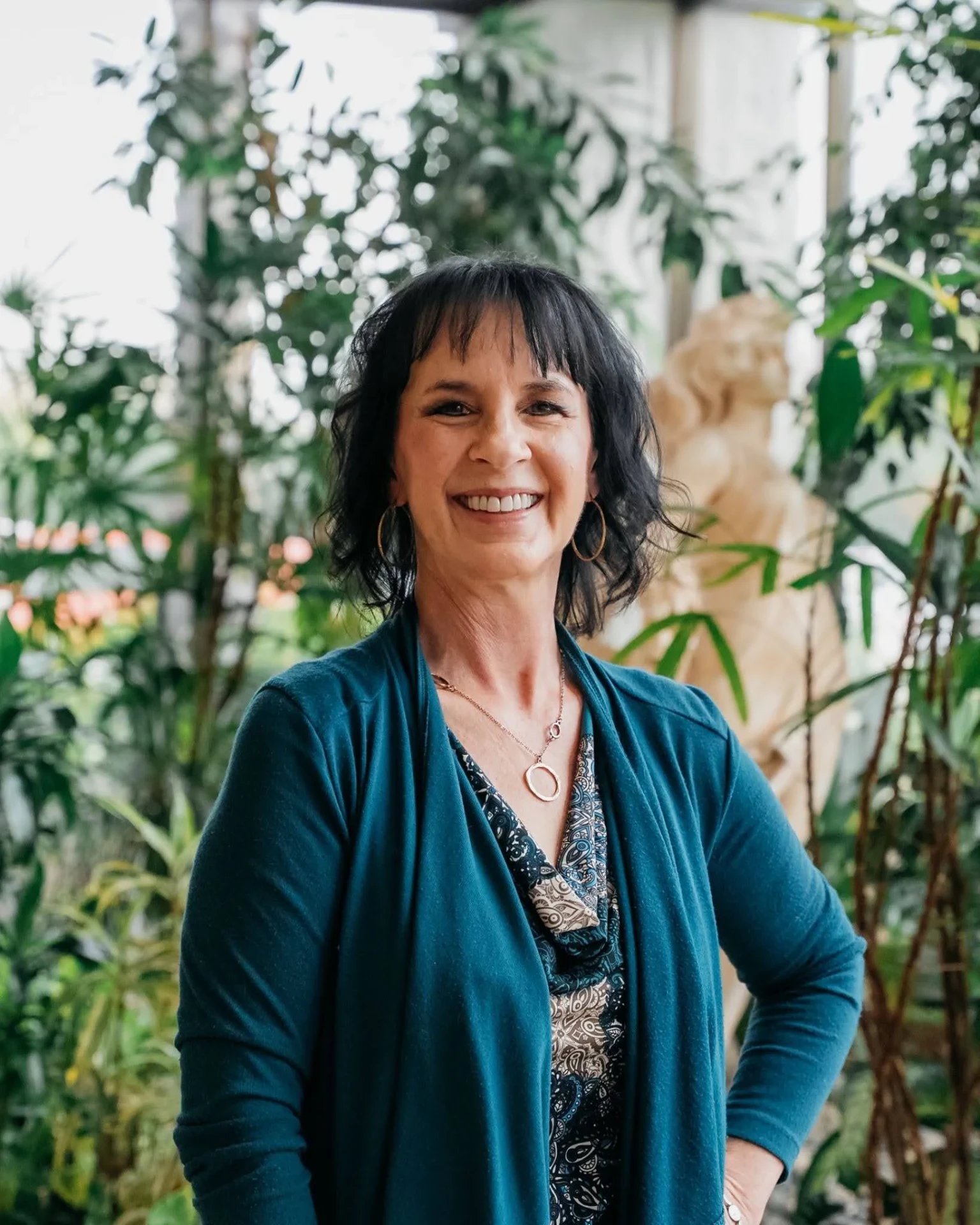
At The Natural Path Health Center in Fresno, Dr. Mikell Suzanne Parsons, DC, CCN, DACBN, DACNB combines biofeedback with chiropractic care and nutritional support to help patients, especially pregnant women, children, and those with chronic fatigue.
What Is Biofeedback?
Biofeedback is like having a mirror for your nervous system. It provides real-time information about body functions you normally can't control consciously, such as temperature, muscle tension, heart rate, and brain waves. With this feedback, you can learn to influence them.
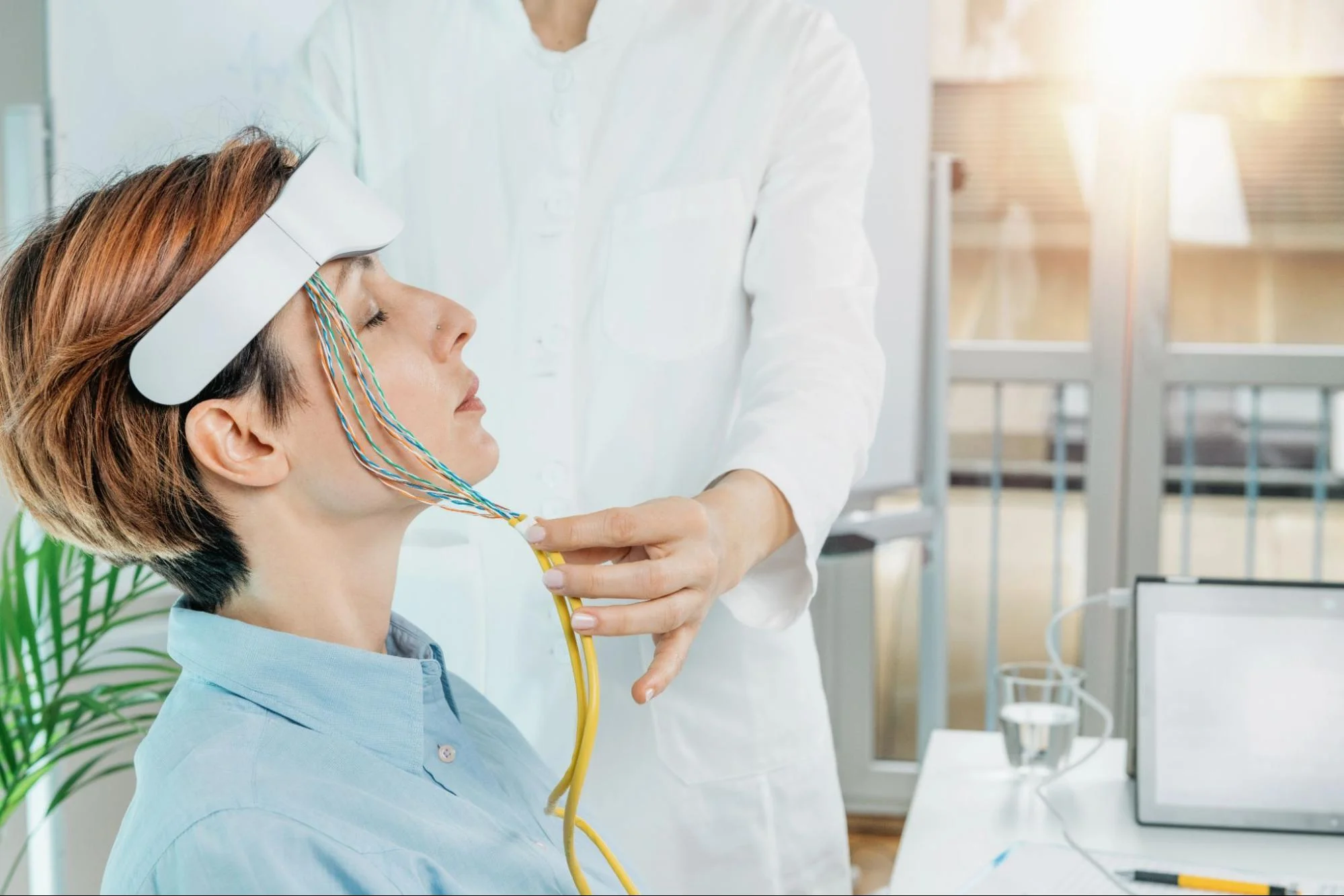
Sensors on your skin measure physiological signals and display them on a monitor through graphs, sounds, or visual cues. As you practice relaxation and mental techniques, you watch these signals change in real time. With repetition, your brain learns to reproduce these beneficial states, even without the equipment.
The American Migraine Foundation recognizes biofeedback as a proven intervention that can improve quality of life for headache sufferers. The National Headache Foundation also identifies it as an evidence-based migraine treatment.
The Science: Does Biofeedback Actually Work for Migraines?
A comprehensive review published in Headache: The Journal of Head and Face Pain found that biofeedback demonstrated significant efficacy for migraine prophylaxis, with studies showing a 43-50% reduction in migraine frequency for most patients—results comparable to preventive medications.
Even more impressive, a meta-analysis in the journal Pain concluded that biofeedback training produced medium to large effect sizes for migraine treatment, with thermal biofeedback showing particularly strong outcomes. The benefits also persist long-term—skills learned through biofeedback continue working years after treatment ends.
Why it works comes down to four mechanisms
- Vascular Control: Temperature biofeedback trains you to redirect blood flow away from the head, preventing the vascular cascade that triggers migraines.
- Stress Response Regulation: Biofeedback normalizes your autonomic nervous system, breaking the stress-pain cycle.
- Muscle Tension Reduction: EMG biofeedback releases chronic holding patterns in the neck, shoulders, and jaw.
- Neuroplasticity: Your brain creates new neural pathways for pain management, building resilience to triggers over time.
Types of Biofeedback Used for Migraines
Thermal (Temperature) Biofeedback
The most popular kind for migraines takes your hand or finger temperature; warm readings indicate relaxation, while cold readings indicate stress. By learning to raise hand temperature, you can redirect blood flow and help prevent migraine onset.
Electromyographic (EMG) Biofeedback
This measures muscle tension in areas like your forehead, neck, shoulders, and jaw. Visual feedback helps you release unconscious tension that contributes to headaches.
Heart Rate Variability (HRV) Biofeedback
HRV measures the variation in time between heartbeats—an indicator of nervous system flexibility and stress resilience. Higher HRV correlates with better health outcomes and fewer migraines.
Neurofeedback (EEG Biofeedback)
The most sophisticated type, neurofeedback measures brain wave activity, identifying patterns linked to migraines. Training your brain to shift patterns can lessen migraine frequency and severity, especially in chronic cases.
What Happens During a Biofeedback Session
Your first visit includes a comprehensive assessment of your migraine history, triggers, stress levels, and baseline physiological responses, typically lasting 60–90 minutes.
In follow-up sessions of 45–60 minutes, painless sensors are placed on your skin while a monitor displays your body's signals. Guided exercises in breathing, relaxation, and visualization help you influence these readings.
Most people need 8-12 weekly sessions to develop solid skills:
- Weeks 1-4: Learning basics, developing awareness.
- Weeks 4-8: Skill refinement, initial migraine reduction.
- Weeks 8-12: Significant improvement, fewer sessions needed.
- Ongoing: Skills become automatic, with occasional booster sessions.
Biofeedback Techniques You Can Try at Home
1. Hand-Warming Technique
Attach a digital thermometer to your index finger and record the starting temperature. Sit comfortably, breathe deeply, and imagine warmth flowing into your hands. Check your temperature every few minutes, aiming to raise it 5–10 degrees. Practice daily for 10–15 minutes, especially at the first sign of migraine symptoms.
2. Progressive Muscle Relaxation
Starting with your feet, tense muscles for 5 seconds, then release completely. Move systematically up your body: calves, thighs, abdomen, chest, hands, arms, shoulders, neck, and face. Pay special attention to migraine-prone areas like your jaw and forehead.
3. HRV Training with Apps
Apps like HeartMath and Elite HRV, or wearables like the Apple Watch, can measure your HRV. Aim for six breaths per minute by practicing paced breathing (inhaling and exhaling for four to five seconds).
4. The 4-7-8 Breathing Technique
Inhale through your nose for 4 counts, hold for 7 counts, and exhale through your mouth for 8 counts. Repeat 4-8 cycles. It activates your parasympathetic nervous system.
5. Acute Migraine Intervention
If you notice any aura, mood swings, neck tension, or migraine warning signs, stop what you're doing. For five to ten minutes, practice hand warming or the 4-7-8 breathing technique in a quiet area.
Who Benefits Most from Biofeedback?
Pregnant Women
Most migraine medications are unsafe during pregnancy, making biofeedback a key alternative. Drug-free self-regulation skills are safe in all trimesters.
Children and Adolescents
Kids often excel at biofeedback and enjoy the game-like feedback. For families concerned about medicating developing brains, biofeedback provides a safe and empowering alternative.
People with Medication Side Effects
If preventive medications cause intolerable side effects like weight gain, fatigue, or cognitive dulling, biofeedback provides an effective alternative.
Women with Chronic Fatigue
Stress-triggered migraines are common among women managing persistent exhaustion. Biofeedback addresses multiple issues simultaneously.
Frequently Asked Questions
Is biofeedback good for migraines?
Yes, research consistently shows biofeedback is highly effective, with a 40-60% reduction in migraine frequency for most patients.
How long does biofeedback take to start working?
After 4-6 weeks of weekly sessions, most people begin to see improvements, and after 8-12 sessions, significant results start to appear.
Can I do biofeedback for migraines at home?
You can practice basic biofeedback principles at home using simple tools like thermometers or HRV apps. However, starting with professional training ensures you learn correct techniques.
Does insurance cover biofeedback?
Many insurance plans cover biofeedback when medically necessary and provided by licensed healthcare professionals. Contact your insurance company for specifics.
Are there side effects of biofeedback?
Biofeedback has no negative side effects because you're simply learning to control your body functions.
Take Control of Your Migraines
Biofeedback isn't magic; it's science. Ready to explore biofeedback for your migraines? Call (559) 447-1404 to schedule your consultation today.
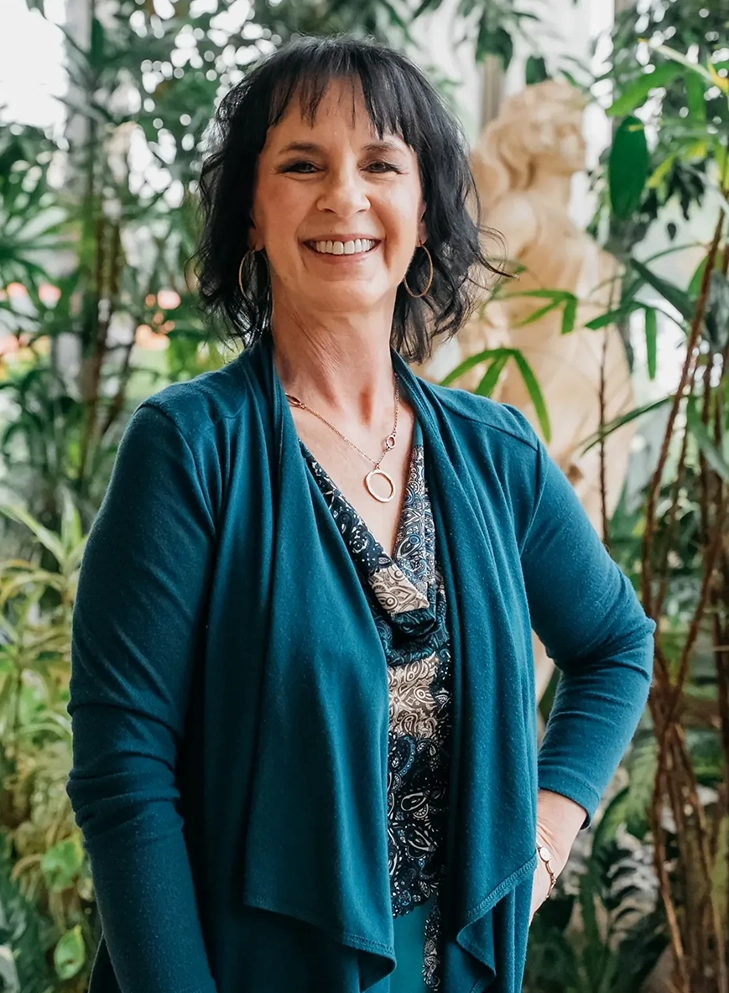
Dr. Mikell Suzanne Parsons, DC, CCN, DACBN, DACNB
Dr. Mikell Suzanne Parsons, DC, CCN, DACBN, DACNB is a Doctor of Chiropractic, certified clinical nutritionist, and brain wellness expert with 34+ years serving Fresno families at The Natural Path Health Center.
Learn More About Dr. Parsons