
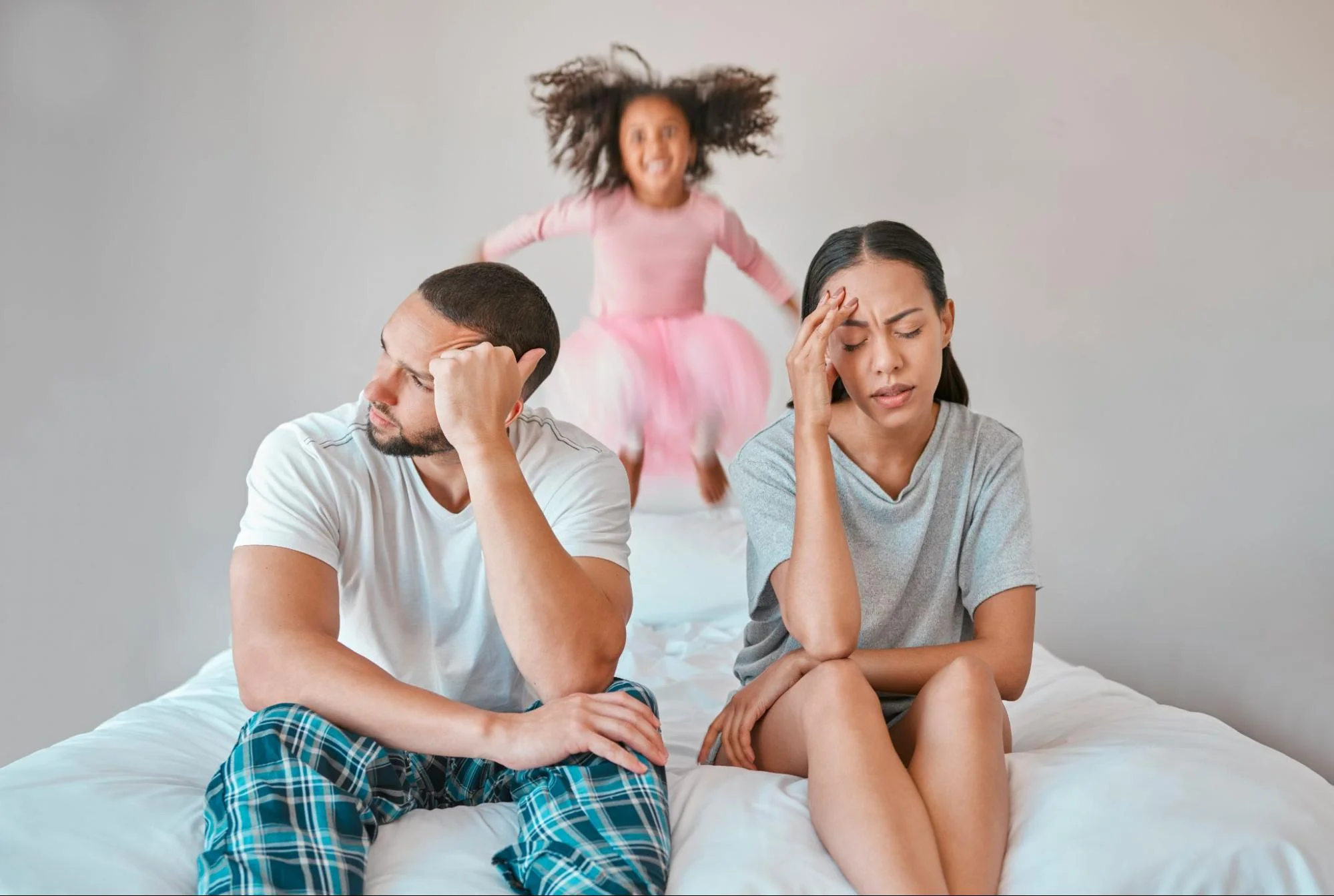
Your child can't sit still during dinner. Again. The teacher mentions "focus issues" at parent-teacher conferences. Other parents' kids seem to listen the first time, while yours need constant reminders. When you see your bright, active child struggle with basic tasks, you wonder if it's ADHD or just childhood exuberance.
These questions are normal, important, and more common than you might think. Attention-Deficit/Hyperactivity Disorder affects approximately 11.4% of children ages 3-17 in the United States, which is nearly 7 million kids. But recognizing ADHD isn't always straightforward since symptoms look different at different ages and can vary dramatically between boys and girls.
If you are reading this, you're already doing the right thing by seeking information to assist your child. Whether your concerns lead to an ADHD diagnosis or not, understanding the signs and knowing your options empowers you to support your child's success.
At The Natural Path Health Center in Fresno, Dr. Mikell Suzanne Parsons, DC, CCN, DACBN, DACNB specializes in brain health for children, helping families identify underlying causes of attention and behavior challenges and develop comprehensive treatment plans that often reduce or eliminate the need for medication.
ADHD Is More Than Just Hyperactivity
ADHD is a neurodevelopmental condition affecting executive function, the brain's ability to plan, organize, focus attention, remember instructions, and manage multiple tasks. It's not a character flaw, a discipline problem, or a result of bad parenting. ADHD involves real differences in brain structure and chemistry, particularly in areas regulating attention, impulse control, and activity levels.
The brain develops differently in children with ADHD, with delayed maturation in the prefrontal cortex (the executive control center) and imbalances in neurotransmitters like dopamine and norepinephrine. These chemical messengers help regulate attention, motivation, and movement.
Three Types of ADHD
- Predominantly Inattentive Type: Difficulty focusing, easily distracted, forgetful, disorganized. Often called "ADD" in the past, though that term is no longer officially used.
- Predominantly Hyperactive-Impulsive Type: Cannot sit still, constantly moving, talks excessively, acts without thinking, interrupts others.
- Combined Presentation: Both inattentive and hyperactive-impulsive symptoms. This is the most common type.
ADHD isn't just about being hyper. Many children, especially girls, have predominantly inattentive ADHD without any hyperactivity at all. They're quiet, compliant, and struggling internally while everyone assumes they're just "spacey" or "not applying themselves."
Common Signs and Symptoms of ADHD in Kids
According to the CDC and diagnostic criteria from the DSM-5, ADHD symptoms fall into two main categories. For diagnosis, children must show at least six symptoms from one or both categories for at least six months, to a degree that's inappropriate for their developmental level.
Inattentive Symptoms
- Difficulty sustaining attention during tasks, schoolwork, or play.
- Doesn't seem to listen when spoken to directly.
- Fails to finish homework, chores, or workplace duties.
- Struggles with organizing tasks and activities.
- Avoids or dislikes tasks requiring sustained mental effort.
- Frequently loses things necessary for tasks.
- Easily distracted by extraneous stimuli or unrelated thoughts.
- Forgetful in daily activities.
- Makes careless mistakes in schoolwork or other activities.
Hyperactive-Impulsive Symptoms
- Fidgets, squirms, or taps hands and feet.
- Leaves the seat in situations when remaining seated is expected.
- Runs about or climbs in situations where it's inappropriate.
- Unable to play or engage in leisure activities quietly.
- Always "on the go," acting as if "driven by a motor."
- Talks excessively.
- Blurts out answers before questions are completed.
- Has difficulty waiting for their turn.
- Interrupts or intrudes on others' conversations or games.
Critical Context: All children occasionally show these behaviors. The key factors that distinguish ADHD are persistence (at least 6 months), pervasiveness (multiple settings), impairment (interferes with daily functioning), and developmental inappropriateness.
ADHD Symptoms in Boys vs. Girls
One of the most significant gaps in ADHD awareness is understanding how differently it presents based on gender. Boys are diagnosed with ADHD at more than twice the rate of girls, but research suggests this disparity reflects underdiagnosis in girls rather than true prevalence differences.
ADHD Symptoms in Boys (More Obvious)
Boys typically display the hyperactive-impulsive type, which is often easily noticeable. They're the kids who can't stay in their seats during class, constantly touch things, interrupt frequently, and act without thinking. Their behaviors are externalized, loud, physical, and disruptive, which leads to earlier identification and intervention.
ADHD Symptoms in Girls (Often Missed)
Girls are more likely to have the inattentive type of ADHD, which is harder to recognize. They may be quiet daydreamers who stare out the window, disorganized students who don't disrupt class, or "spacey" kids who forget instructions but don't ask for help. Symptoms are often internal, and girls may appear compliant, overcompensating with verbal skills, which can lead to social exhaustion.
These behaviors are often misinterpreted as "ditzy," "lazy," or "shy." Missed diagnoses can result in anxiety, depression, low self-esteem, and academic struggles. Many girls aren't diagnosed until adolescence or adulthood, after years of self-blame.
Age-Specific ADHD Symptoms: What to Look For
ADHD Symptoms in 4-Year-Olds
Diagnosing ADHD at age 4 is challenging because high energy and short attention spans are developmentally normal. However, ADHD can be reliably identified in preschoolers when symptoms are significantly more extreme than those of peers. Red flags include dangerous impulsivity, severe tantrums, difficulty with preschool transitions, and being noticeably more active than peers.
What Does ADHD Look Like in a 5-Year-Old?
By kindergarten, ADHD often becomes more apparent as structured expectations increase. Academic signs include inability to sit for circle time, not following multi-step directions, and losing school materials. Social signs include trouble making friends and difficulty sharing. Home signs include chaotic morning routines and constantly switching from toy to toy.
School-Age Symptoms (6-8 Years Old)
As academic demands increase, ADHD's impact on learning becomes undeniable. Long homework battles, lost assignments, messy desks, and "bright but not reaching potential" feedback from teachers are common. Social challenges intensify and low self-esteem may begin developing.
Later Elementary/Middle School (9-12 Years Old)
Executive function deficits become more obvious. Long-term projects are nearly impossible without heavy parental support. Years of frustration can lead to oppositional behavior, anxiety, or depression.
What Causes ADHD?
Conventional medicine recognizes that ADHD is highly heritable (about 80% genetic), involves brain structure differences, results from neurotransmitter imbalances, and can be influenced by prenatal factors. At The Natural Path Health Center, we respect this research while also expanding the lens to consider contributing factors:
Nutritional Deficiencies
Deficiencies in omega-3 fatty acids, iron, zinc, and magnesium are associated with ADHD symptoms. These micronutrients are critical for neurotransmitter production and brain function.
Food Sensitivities and Diet Quality
Artificial food colors and preservatives can increase hyperactive behavior in susceptible children. Individual food intolerances, gluten sensitivity, and blood sugar dysregulation from excessive sugar intake may worsen symptoms.
Gut-Brain Axis Dysfunction
Children with ADHD often have different gut bacteria compositions compared to typically developing children. Digestive issues are common, and systemic inflammation can affect brain function.
Environmental Toxins, Sleep Disorders & Sensory Processing
Lead and pesticide exposure are linked to ADHD symptoms. Sleep apnea or insufficient sleep can create symptoms indistinguishable from ADHD. Sensory overload also affects attention and self-regulation.
Natural Treatment Options for ADHD in Kids
Important Disclaimer: Severe ADHD may require medication, and there's absolutely no shame in that. These natural interventions can work alongside medication or, for some children with mild to moderate symptoms, as standalone approaches.
1. Nutritional Interventions
- Omega-3 Supplementation (EPA and DHA) improves ADHD symptoms, particularly inattention.
- Elimination Diets like the Feingold Diet can benefit some children.
- Targeted Supplementation: iron supports dopamine production, zinc aids dopamine regulation, magnesium promotes calm and sleep, and B-complex vitamins support neurotransmitter synthesis.
2. Chiropractic and Neurological Support
Chiropractic care supports nervous system function—particularly helpful for children with birth trauma history or structural issues affecting brain-body communication.
3. Behavioral and Environmental Modifications
Children with ADHD thrive on predictability. Consistent routines, visual schedules, timers, distraction-free spaces, and organizational systems support success.
4. Physical Activity and Movement
Physical activity significantly improves executive function. Recommendations include 60 minutes of daily physical activity, outdoor play, structured sports or martial arts, and "brain breaks" every 15-20 minutes during homework.
5. Sleep Optimization
Sleep is non-negotiable for ADHD management. Regular bedtime routines, screen-free hour before bed, and 10-12 hours nightly for school-age children.
6. Mindfulness and Self-Regulation Training
Age-appropriate meditation, breathing exercises (like 4-7-8), kids' yoga, biofeedback, and progressive muscle relaxation improve impulse control and emotional regulation.
7. Limiting Screen Time and 8. Family Support
Excessive screens worsen attention and sleep. Successful outcomes also depend on parent training, reducing family stress, and improving parent-child relationships through understanding rather than punishment.
When to Seek Professional Help
Trust your instincts and seek evaluation if symptoms persist for six months or more, appear in multiple settings, interfere with learning or relationships, cause family stress, or affect your child's self-esteem.
Frequently Asked Questions
How do I know if my kid has ADHD?
If your child consistently shows six or more symptoms of inattention or hyperactivity-impulsivity for at least six months in multiple settings, seek professional evaluation. Trust your parental instincts.
At what age can ADHD be diagnosed?
ADHD can be diagnosed accurately as early as 4-5 years old. It's most commonly identified ages 5-7. The average diagnosis age is 7, though girls are often diagnosed later.
Can ADHD be treated without medication?
For many children with mild to moderate ADHD, non-medication approaches can be very effective—nutrition, behavior strategies, exercise, sleep, mindfulness, chiropractic care, and biofeedback.
Is ADHD genetic?
ADHD is highly heritable (about 80%). But genetics is not destiny—environmental factors, nutrition, sleep, and early intervention substantially influence outcomes.
You're Not Alone
Take a deep breath. ADHD is real, common, and manageable. With the correct support, children can achieve academic success, build solid friendships, and develop into successful adults. Call (559) 447-1404 to schedule a consultation.

Dr. Mikell Suzanne Parsons, DC, CCN, DACBN, DACNB
Dr. Mikell Suzanne Parsons, DC, CCN, DACBN, DACNB is a Doctor of Chiropractic, certified clinical nutritionist, and brain wellness expert with 34+ years serving Fresno families at The Natural Path Health Center.
Learn More About Dr. Parsons