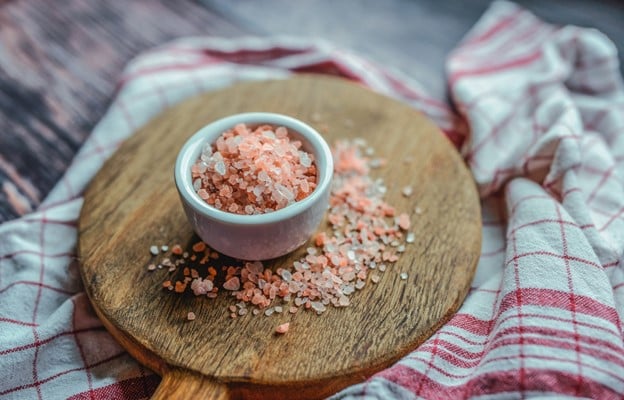
Is Salt Bad for You? The Truth About Refined vs. Unrefined Salt
How many times have you heard that salt is bad for your health? It’s often blamed for high blood pressure and other health issues—but is all salt really the same?
The short answer: no, not all salt is created equal.
Understanding the difference between refined salt and unrefined salt can help you make healthier choices and support your body’s nutritional needs.
Refined Salt vs. Unrefined Salt: What’s the Difference?
Refined Salt (Table Salt)
Refined salt is heavily processed and stripped down to just two components:
- Sodium
- Chloride
During processing, most of the natural minerals are removed, leaving behind a product with little to no nutritional value.
Unrefined Salt (Natural Sea Salt)
Unrefined salts, such as Celtic Sea Salt, are minimally processed and can contain up to 80 trace minerals, including:
- Magnesium
- Potassium
- Calcium
These minerals are essential for proper hydration, nerve function, and overall health.
Why Your Body Needs Minerals from Salt
From a clinical perspective, many people today are deficient in essential minerals. This can contribute to symptoms such as:
- Water retention
- Swollen ankles
- Fatigue
- Poor hydration
In some cases, the body holds onto excess fluid as a response to mineral imbalance—not simply because of salt intake itself.
The History of Salt: A Vital Nutrient
Salt has played a crucial role in human history and health for thousands of years.
- Ancient cultures like the Chinese, Greeks, Romans, and Hebrews valued salt as highly as gold
- Early records of salt production date back over 5,000 years in China
- Ancient Egyptians documented salt harvesting practices
- In 1930, Mahatma Gandhi led a famous protest against the British salt tax in India
Salt wasn’t just a seasoning—it was a valuable resource essential for survival and trade.
Modern Uses of Salt Beyond Food
Today, salt is used in a wide range of industries, including:
- Food preservation
- Medical applications (such as saline IV solutions)
- Manufacturing (paper, soap, dyes)
- Road safety (de-icing sidewalks and highways)
Despite its widespread use, the type of salt you consume still matters when it comes to your health.
Is Salt Really Bad for Blood Pressure?
While excessive sodium intake—especially from processed foods—can impact blood pressure, natural, mineral-rich salts may support better balance in the body when used appropriately.
The issue is often not salt itself, but the processed foods that contain high amounts of refined sodium.
How to Choose a Healthier Salt
When shopping for salt, look for options that are:
- Unrefined and minimally processed
- Rich in natural trace minerals
- Free from additives and anti-caking agents
Natural sea salts can be a better choice for supporting overall wellness.
The Bottom Line: Choose Quality Over Processing
Salt is not the enemy—it’s an essential nutrient your body needs to function properly.
The key is choosing the right type.
By switching from refined table salt to mineral-rich options like Celtic Sea Salt, you can support better hydration, improve mineral intake, and promote overall health.
So next time you’re at the grocery store, take a closer look at your salt—and don’t be afraid to use it wisely.
And if you’re sharing a meal… go ahead and pass the salt.
Medical Disclaimer: The information provided in this email is for informational purposes only and has been compiled from years of practice, study and experience by Mikell Suzanne Parsons, DC. This information is NOT intended to be used as a substitute for the advice from your physician or any other health care provider, or any information contained in or on any product label or packaging. Do not use information in this email for diagnosing or treating any health problem or disease. Always speak to your health care provider before taking any nutritional, herbal, or homeopathic supplement. If you have or suspect that you have a health problem, contact your health care provider immediately. Do not ignore seeking health care advice or delay seeking care because of something that you have read in this email. Information provided in this email DOES NOT create a doctor-patient relationship between you and Mikell Suzanne Parsons, DC. Information and statements regarding dietary supplements have not been evaluated by the Food and Drug Administration and are not intended to diagnose, treat, cure, or prevent any disease.
Full Disclosure: If you happen to purchase anything I recommend in this or any of my communications, it is possible that I will receive some kind of affiliate compensation. I only recommend people and programs I believe in and feel that you will get tremendous value from. However, if you ever have an issue with something I recommended please let me know by contacting us (https://naturalpathfresno.com/contact/) and sharing your thoughts.