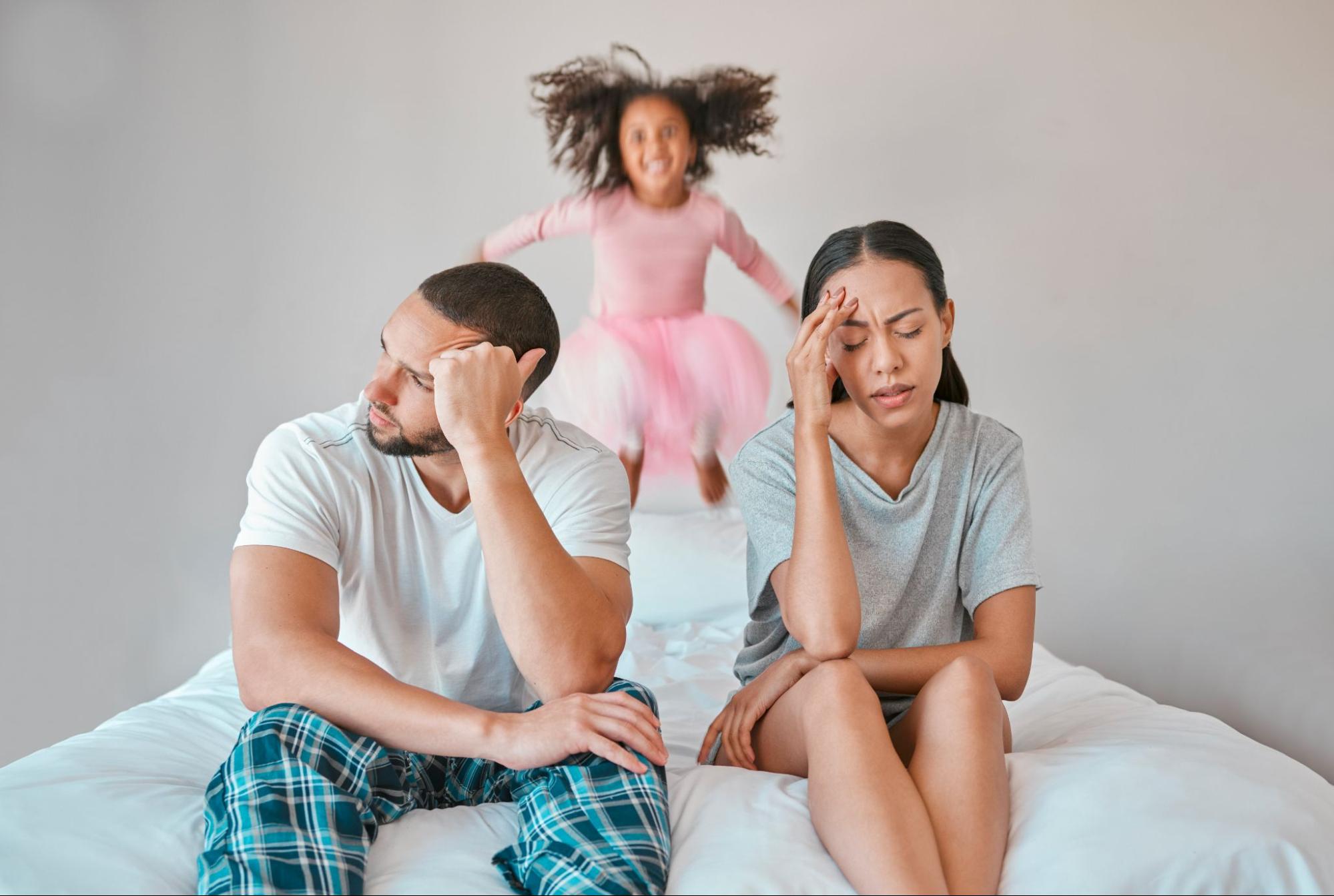
Your child can’t sit still during dinner. Again. The teacher mentions “focus issues” at parent-teacher conferences. Other parents’ kids seem to listen the first time, while yours need constant reminders. When you see your bright, active child struggle with basic tasks, you wonder if it’s ADHD or just childhood exuberance.
These questions are normal, important, and more common than you might think. Attention-Deficit/Hyperactivity Disorder affects approximately 11.4% of children ages 3-17 in the United States, which is nearly 7 million kids. But recognizing ADHD isn’t always straightforward since symptoms look different at different ages and can vary dramatically between boys and girls.
If you are reading this, you’re already doing the right thing by seeking information to assist your child. Whether your concerns lead to an ADHD diagnosis or not, understanding the signs and knowing your options empowers you to support your child’s success.
At The Natural Path Health Center in Fresno, Dr. Mikell Parsons specializes in brain health for children, helping families identify underlying causes of attention and behavior challenges and develop comprehensive treatment plans that often reduce or eliminate the need for medication.
ADHD Is More Than Just Hyperactivity
ADHD is a neurodevelopmental condition affecting executive function, the brain’s ability to plan, organize, focus attention, remember instructions, and manage multiple tasks. It’s not a character flaw, a discipline problem, or a result of bad parenting. ADHD involves real differences in brain structure and chemistry, particularly in areas regulating attention, impulse control, and activity levels.
The brain develops differently in children with ADHD, with delayed maturation in the prefrontal cortex (the executive control center) and imbalances in neurotransmitters like dopamine and norepinephrine. These chemical messengers help regulate attention, motivation, and movement.
Three Types of ADHD:
- Predominantly Inattentive Type: Difficulty focusing, easily distracted, forgetful, disorganized. Often called “ADD” in the past, though that term is no longer officially used.
- Predominantly Hyperactive-Impulsive Type: Cannot sit still, constantly moving, talks excessively, acts without thinking, interrupts others.
- Combined Presentation: Both inattentive and hyperactive-impulsive symptoms. This is the most common type.
ADHD isn’t just about being hyper. Many children, especially girls, have predominantly inattentive ADHD without any hyperactivity at all. They’re quiet, compliant, and struggling internally while everyone assumes they’re just “spacey” or “not applying themselves.”
Common Signs and Symptoms of ADHD in Kids
According to the CDC and diagnostic criteria from the DSM-5, ADHD symptoms fall into two main categories. For diagnosis, children must show at least six symptoms from one or both categories for at least six months, to a degree that’s inappropriate for their developmental level.
Inattentive Symptoms:
- Difficulty sustaining attention during tasks, schoolwork, or play.
- Doesn’t seem to listen when spoken to directly.
- Fails to finish homework, chores, or workplace duties.
- Struggles with organizing tasks and activities.
- Avoids or dislikes tasks requiring sustained mental effort (homework, paperwork).
- Frequently loses things necessary for tasks (school supplies, toys, tools, keys).
- Easily distracted by extraneous stimuli or unrelated thoughts.
- Forgetful in daily activities.
- Makes careless mistakes in schoolwork or other activities.
Hyperactive-Impulsive Symptoms:
- Fidgets, squirms, or taps hands and feet.
- Leaves the seat in situations when remaining seated is expected.
- Runs about or climbs in situations where it’s inappropriate.
- Unable to play or engage in leisure activities quietly.
- Always “on the go,” acting as if “driven by a motor.”
- Talks excessively.
- Blurts out answers before questions are completed.
- Has difficulty waiting for their turn.
- Interrupts or intrudes on others’ conversations or games.
Critical Context: All children occasionally show these behaviors. The key factors that distinguish ADHD are:
- Persistence: Symptoms are present for at least 6 months.
- Pervasiveness: Occurring in multiple settings (home, school, activities).
- Impairment: Interfering significantly with academic, social, or daily functioning.
- Developmental inappropriateness: More extreme than typical for the child’s age.
According to the Mayo Clinic, an ADHD diagnosis also involves ruling out other causes: your symptoms must not be better explained by other conditions like anxiety, depression, or a learning disability.
ADHD Symptoms in Boys vs. Girls
One of the most significant gaps in ADHD awareness is understanding how differently it presents based on gender. Boys are diagnosed with ADHD at more than twice the rate of girls, but research suggests this disparity reflects underdiagnosis in girls rather than true prevalence differences.
ADHD Symptoms in Boys (More Obvious):
Boys typically display the hyperactive-impulsive type, which is often easily noticeable. They’re the kids who can’t stay in their seats during class, constantly touch things, interrupt frequently, and act without thinking. Their behaviors are externalized, loud, physical, and disruptive, which leads to earlier identification and intervention.
Common presentations include running and climbing excessively, making impulsive noises, physically bouncing in chairs, playing roughly with peers, and having difficulty modulating voice volume. Teachers notice quickly, parents get calls home, and a diagnosis often follows.
ADHD Symptoms in Girls (Often Missed):
Girls are more likely to have the inattentive type of ADHD, which is harder to recognize. They may be quiet daydreamers who stare out the window, disorganized students who don’t disrupt class, or “spacey” kids who forget instructions but don’t ask for help. Symptoms are often internal, and girls may appear compliant, overcompensating with verbal skills, which can lead to social exhaustion.
These behaviors are often misinterpreted as “ditzy,” “lazy,” or “shy.” Missed diagnoses can result in anxiety, depression, low self-esteem, and academic struggles. Many girls aren’t diagnosed until adolescence or adulthood, after years of self-blame.
Gender considerations matter in treatment, too. Girls often need different support strategies, particularly around emotional regulation, social skills, and building self-esteem damaged by years of feeling “not good enough.”

Age-Specific ADHD Symptoms: What to Look For
ADHD symptoms evolve as children develop. Understanding what’s typical versus concerning at each age helps parents recognize when to seek evaluation.
ADHD Symptoms in 4-Year-Olds
Diagnosing ADHD at age 4 is challenging because high energy and short attention spans are developmentally normal. However, ADHD can be reliably identified in preschoolers when symptoms are significantly more extreme than those of peers.
Four-year-olds who exhibit dangerous impulsivity, such as running into streets or climbing without hesitation, and who are noticeably more active than their peers, are considered red flags. Other signs include an inability to engage in quiet activities, constant interrupting, severe tantrums, and difficulty with preschool transitions. Peers may also start avoiding them because of their behavior.
Important context: Many energetic 4-year-olds don’t have ADHD. Look for severity that stands out dramatically from peers and causes real impairment.
What Does ADHD Look Like in a 5-Year-Old?
By kindergarten, ADHD often becomes more apparent as structured expectations increase. This is when many children are first identified.
Academic/school signs at age 5:
- Cannot sit for circle time or story time.
- Doesn’t follow multi-step directions (“Put your backpack away, hang up your coat, and sit at your table”).
- Loses or destroys school materials within days.
- Can’t complete simple worksheets.
- Difficulty participating appropriately in group activities.
Social signs:
- Plays too rough and fails to read social cues when others are uncomfortable.
- Trouble making or keeping friends.
- Interrupts games constantly.
- Difficulty with sharing or taking turns despite age-appropriate expectations.
- May be excluded from playdates.
Home signs:
- Morning and bedtime routines are chaotic battles.
- Cannot concentrate long enough to finish a meal.
- Constantly switches from toy to toy, with no meaningful play.
- Does not respond to name-calling.
- Forgets instructions seconds after hearing them.
School-Age Symptoms (6-8 Years Old)
As academic demands increase, ADHD’s impact on learning becomes undeniable. Children may fall behind peers despite clear intelligence, leading to frustration for everyone involved.
Academic patterns include long homework battles, frequently lost or forgotten assignments, and messy desks or backpacks. Reading comprehension may suffer due to wandering attention, and math errors often result from carelessness rather than a lack of understanding. Teachers usually note “bright but not reaching potential.”
Social challenges intensify as peers develop better self-control and organizational skills. Children with ADHD receive fewer playdate invitations, have escalating sibling conflicts, show low frustration tolerance, and may begin developing low self-esteem as they notice they’re “different.”
Later Elementary/Middle School (9-12 Years Old)
Executive function deficits become more obvious as academic and social complexity increases. Long-term projects are nearly impossible without heavy parental support, and children may lose track of assignments while facing increasing social challenges. Years of frustration can lead to oppositional behavior, anxiety, or depression.
When Can ADHD Be Diagnosed?
ADHD can be reliably diagnosed as early as 4-5 years old, though it’s most commonly identified when children start school (ages 5-7). The average age of diagnosis is 7 years old.
Due to less evident symptoms, girls are frequently diagnosed later, on average between the ages of 8 and 12 or even into adulthood. Some people aren’t diagnosed until they’re adults struggling with work or relationships.
Earlier diagnosis means earlier intervention, which significantly improves long-term outcomes.
What Causes ADHD?
Conventional medicine recognizes that ADHD is highly heritable (about 80% genetic), involves brain structure differences, results from neurotransmitter imbalances, and can be influenced by prenatal factors like maternal smoking, alcohol use, or extreme stress.
At The Natural Path, we respect this research while also expanding the lens to consider contributing factors that may exacerbate symptoms or even mimic ADHD.
“While ADHD has genetic and neurological components, we also investigate factors that might be making symptoms worse or creating similar presentations,” explains Dr. Parsons. “Many parents are surprised to learn how significantly nutrition, sleep, environmental toxins, and gut health can impact attention and behavior.”
Contributing Factors We Assess:
Nutritional Deficiencies
According to a study published in Nutrients, deficiencies in omega-3 fatty acids, iron, zinc, and magnesium are associated with ADHD symptoms. These micronutrients are critical for neurotransmitter production and brain function. B-vitamin insufficiencies also affect cognitive performance and mood regulation.
Food Sensitivities and Diet Quality
Multiple studies, including research in The Lancet, have demonstrated that artificial food colors and preservatives can increase hyperactive behavior in susceptible children. Individual food intolerances, gluten sensitivity in some cases, and blood sugar dysregulation from excessive sugar intake may worsen symptoms.

Gut-Brain Axis Dysfunction
Emerging research reveals connections between gut microbiome health and ADHD. A study in the University of the Sunshine Coast found that children with ADHD have different gut bacteria compositions compared to typically developing children.
Digestive issues are common in children with ADHD, and systemic inflammation can affect brain function. It relates to our knowledge of autism spectrum disorders, where gut-brain factors are equally crucial.
Environmental Toxins
Lead exposure, even at low levels, affects attention and behavior. Pesticide exposure has been linked to ADHD symptoms. Air quality, household chemicals, and other environmental factors may contribute to or worsen neurological symptoms.
Sleep Disorders
Sleep apnea, breathing issues, or simply insufficient sleep can create symptoms virtually indistinguishable from ADHD. Children need 10-12 hours nightly, but many get far less.
Sensory Processing Issues
Environmental stimuli, such as sounds, lights, textures, and smells, overwhelm a lot of kids with ADHD. This sensory overload affects their ability to attend and regulate behavior.
“We don’t claim nutrition or environmental factors cause ADHD or that we can cure it,” clarifies Dr. Parsons. “Instead, we identify and address contributing factors that make symptoms worse. For many children, this comprehensive approach significantly reduces symptom severity, sometimes to the point where medication isn’t needed.”
Natural Treatment Options for ADHD in Kids
Important Disclaimer: Severe ADHD may require medication, and there’s absolutely no shame in that. Medication has helped countless children succeed when other approaches weren’t sufficient.
These natural interventions can work alongside medication or, for some children with mild to moderate symptoms, as standalone approaches.
1. Nutritional Interventions
- Omega-3 Supplementation: Research in Neuropsychopharmacology demonstrates that omega-3 fatty acids (EPA and DHA) improve ADHD symptoms, particularly inattention. Fish oil or algae-based supplements provide these essential fats. Dosing depends on the child’s weight and individual needs, with improvements typically visible within 8-12 weeks.
- Elimination Diets: The Feingold Diet, which eliminates artificial colors, flavors, and certain preservatives, can benefit some children. Identifying food sensitivities and focusing on whole, nutrient-dense foods helps stabilize blood sugar and support brain function.
- Targeted Supplementation: Instead of blanket recommendations, we test for specific deficiencies and supplement as needed. Iron supports dopamine production, zinc aids dopamine regulation, magnesium promotes calm and sleep, and B-complex vitamins support neurotransmitter synthesis and energy metabolism.
“We test rather than guess,” emphasizes Dr. Parsons. “Targeted supplementation based on individual biochemistry is far more effective and safer than random supplementing.”
2. Chiropractic and Neurological Support
The Natural Path’s unique approach includes chiropractic care supporting nervous system function. This is particularly helpful for children with a birth trauma history or structural issues affecting brain-body communication. In a completely non-invasive, kid-friendly manner, small adjustments along with neurological exercises promote optimal brain function.
How it helps: improved nervous system communication reduces stress on the body, supports self-regulation, and optimizes brain function through better structural alignment.
3. Behavioral and Environmental Modifications
- Structure and Routines: Children with ADHD thrive on predictability. Consistent routines, visual schedules, and timers help reduce feelings of overwhelm. Success is aided by using checklists to break tasks down into smaller steps, establishing clear guidelines, and applying positive reinforcement.
- Environmental Supports: Creating quiet, distraction-free homework spaces and using organizational systems like labeled bins and color-coded folders help children stay focused. Regular movement breaks help children stay focused. Reducing visual and auditory clutter supports task completion.
4. Physical Activity and Movement
Research published in Medicine & Science in Sports & Exercise shows that physical activity significantly improves executive function in children with ADHD. It does this by enhancing focus, reducing hyperactivity, improving mood and sleep quality, and releasing beneficial neurotransmitters like dopamine.
Recommendations include 60 minutes of daily physical activity and outdoor play for its calming benefits and exposure to nature. Structured sports or martial arts combine movement with discipline, and incorporating “brain breaks” every 15–20 minutes during homework also supports focus.
5. Sleep Optimization
Sleep is non-negotiable for ADHD management. Regular bedtime routines, an hour of screen-free time before bed, and cool, dark, and quiet bedrooms can all improve the quality of sleep. Addressing sleep-disordered breathing and ensuring adequate sleep for age (10–12 hours for school-age children) also impacts daytime attention and behavior.
6. Mindfulness and Self-Regulation Training
Age-appropriate meditation, breathing exercises (like the 4-7-8 technique), yoga designed for kids, biofeedback training (we offer this at The Natural Path!), and progressive muscle relaxation all improve impulse control, increase self-awareness, reduce anxiety, and build emotional regulation skills.
A study in Mindfulness found that mindfulness training improved ADHD symptoms and executive function in children as young as 5-7 years old.
7. Limiting Screen Time and Technology
Excessive screen time worsens attention, creates dependence on instant gratification (reducing patience), decreases physical activity, and interferes with sleep. Following American Academy of Pediatrics guidelines, eliminating screens one hour before bedtime helps protect developing brains. Prioritizing quality educational content over passive consumption and co-viewing when possible also supports healthy brain development.
8. Family Support and Parent Training
Successful outcomes depend on parents learning efficient behavior management techniques and lowering general family stress. Improving parent-child relationships through understanding rather than punishment is crucial. Maintaining consistency across environments and supporting siblings affected by ADHD-related family dynamics also play an important role.
“In our Fresno practice, we rarely recommend just one intervention,” notes Dr. Parsons. “We create individualized plans combining nutrition, chiropractic care, lifestyle changes, and behavioral supports. This comprehensive approach addresses ADHD from multiple angles and often achieves remarkable results. Even when medication is required, these interventions enhance its effectiveness and allow for lower doses.”
When to Seek Professional Help
Trust your instincts and seek medical attention if symptoms persist for six months or more and appear in multiple settings. Also consider assessment if they interfere with learning or relationships, cause family stress, affect your child’s self-esteem, prompt concerns from adults, or worsen over time.
The comprehensive ADHD evaluation includes:
- Detailed developmental and family history.
- Parent and teacher questionnaires (standardized rating scales).
- Behavioral observations in different settings.
- Cognitive and academic testing.
- Medical examination to rule out other causes.
- Assessment for co-occurring conditions (anxiety, learning disabilities, sensory issues).
At The Natural Path Health Center, we assess nutrition, food sensitivities, toxins, and neurological function. We then create a personalized, integrative treatment plan.
Important messages for parents:
- Early intervention dramatically improves outcomes.
- You’re not labeling your child; you’re getting them help.
- An ADHD diagnosis can provide access to crucial school accommodations.
- Many successful, accomplished people have ADHD.
- With appropriate support, children with ADHD absolutely thrive.
According to KidsHealth, getting an accurate diagnosis and starting treatment as early as possible can make a major difference in helping children with ADHD manage their symptoms and succeed.
Frequently Asked Questions
How do I know if my kid has ADHD?
At what age can ADHD be diagnosed?
What are the top 3 signs of ADHD?
What does ADHD look like in a 5-year-old?
At home, signs include constant toy-switching, not responding to their name, forgetting instructions, and chaotic routines. The key difference is severity; ADHD behaviors are far more extreme than those of typical 5-year-olds.
Can ADHD be treated without medication?
Is ADHD genetic?
What’s the difference between ADHD and just being an energetic kid?
You’re Not Alone
Take a deep breath if you’re concerned that your child might have ADHD. Realizing that it’s not a sign of failure is the first step towards receiving the assistance they require to succeed.
ADHD is real, common, and manageable. Children can achieve academic success, build solid friendships, and develop into successful adults with the correct support, behavioral techniques, diet, medication, or a combination of these. Many ADHD traits, like creativity, energy, and innovative thinking, can become real strengths with proper guidance.
ADHD symptoms can frequently be lessened with a thorough, natural approach, sometimes eliminating the need for medication or permitting lower dosages. Even when medication is required, these strategies enhance effectiveness while minimizing side effects.
Ready to explore natural options for your child? Call (559) 447-1404 to schedule a comprehensive consultation. We’ll conduct a thorough assessment, identify potential contributing factors, test for nutritional deficiencies or sensitivities, and develop a personalized plan to support your child’s success in school, in friendships, and in life.