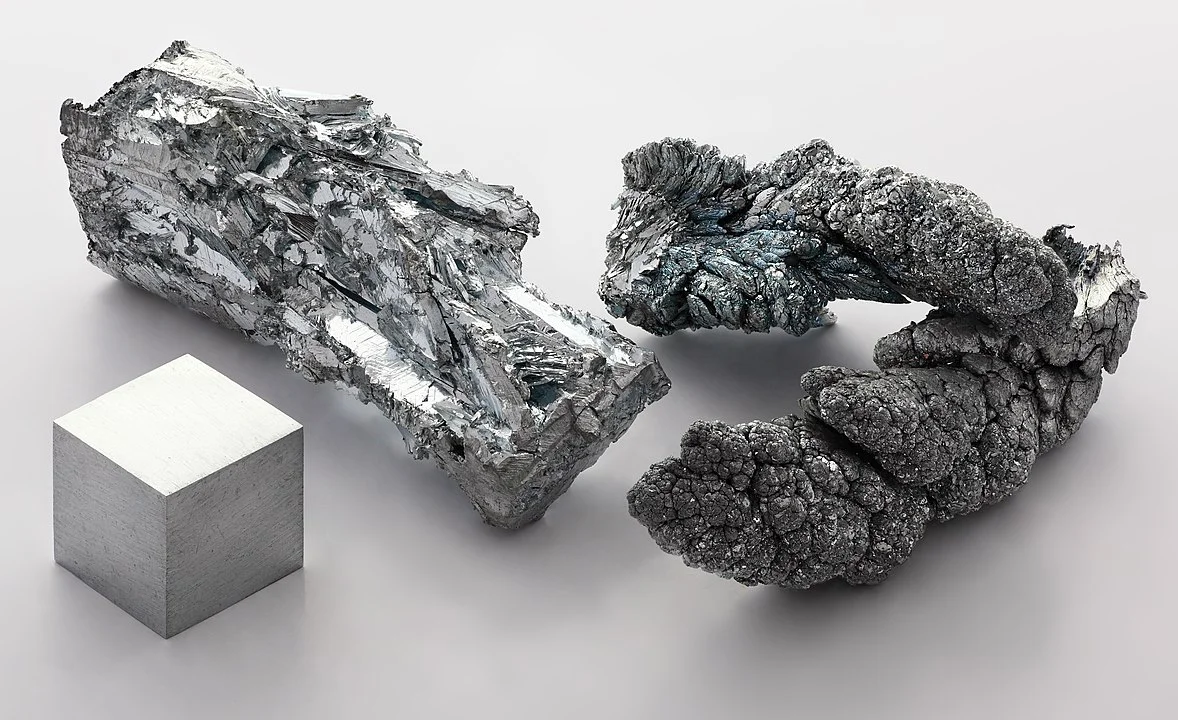
Good old, overlooked zinc. Supplements of this mineral are suddenly popular and everyone has questions about getting more zinc in their diet as well as taking zinc lozenges and supplements.
Why is that? Because zinc is a mineral that is required for very important processes in the body including cell division, DNA and protein synthesis, hormonal activity and neurotransmitter signaling. We need it to run our detoxification pathways. This mineral participates in the activity of 300 enzymes in your body.
And of course, immunity. Coronavirus is why zinc is a big deal in 2020, but I wrote the original version of this article years ago because zinc is always important.
So when it comes to zinc, it's not just about boosting your immune system – whether it's because of COVID-19 or the common cold or flu – it's about helping your body heal and run well.
Instead of asking yourself if you need zinc or zinc supplements, here are the questions you really need to answer:
Am I eating foods which contain zinc?
The good news is it is available in a large variety of food so it shouldn't be too much of a challenge to get more from your diet. It's in foods such as:
- red meat
- poultry
- seafood
- eggs
- sunflower and squash seeds (like pumpkin seeds)
- buckwheat
- rice bran
- millet
- oatmeal
- brown rice
- corn meal
Wheat also contains zinc, but I don't recommend anyone eat wheat!
Am I hampering absorption of my zinc supplements by taking other minerals or eating certain foods?
You might if these are minerals such as iron, copper and calcium. But you also do not want to take your zinc with fiber or phytates. Phytates are found in cereal grain fiber and seeds which chelates (binds) certain minerals. That is not good when we rely on minerals to keep our body running!
Is my stomach and small intestine at the correct pH?
Zinc needs to be absorbed in an acidic pH of 3 or less. If you are taking Tums, or are using a medication like Prilosec to decrease the acidity of the stomach, then the answer as to the correct pH is a clear and loud ... No! Oh, oh! So even if you are eating the zinc containing foods, you may not be absorbing it. Yikes!
Oh yeah, stress can also decrease the amount of stomach acid you produce. So, how stressed are you on top of everything else?
What if the majority of the foods I consume come from a box, bag, can or drive-through fast food joint?
I have some potentially bad news for you. The process of processing foods destroys the zinc that may have been naturally in the food. That is why these "science" foods are "fortified" with additional vitamins and minerals.
How would I know if I might be low in zinc?
If you think about how zinc is needed for all rapidly growing cells, cells that are growing all the time, that's a lot of zinc needed. There are parts of the brain that are very zinc dependent.
I have often joked that the brain is a pig because it is so demanding with the nutrient requirements needed to keep our executive control center up and running. Some common symptoms of a potential zinc deficiency might be the following:
- Poor wound healing
- Dermatitis
- Rough skin
- Inflammatory acne
- Nails that are thin, peeling or have white spots
- Hair loss
- Increased infections
- Decreased immune system
- Elevated intolerance to environmental toxins
- Decreased or loss of smell
- Decreased sense of taste
- Decreased appetite
- Photophobia (eyes sensitive to light)
- Night blindness
- Vision change
I know! That is a long list of problems. And I didn't list everything, just some of the common things that I see in my private practice with my patients.
Many people realize that they need to add some zinc into their diet.
The good news is it is a relatively inexpensive mineral that is easy to find and to use. If you need to combat a sore throat, zinc in the form of a zinc lozenge is optimal. If you are hoping to improve your skin, hair or nails, taking an oral supplement away from the above foods would be ideal.
What Should I be Cautious About?
Some people become nauseated when using zinc. (I am one of those people who experience this.)
If that happens, you can try to take it with food, just pick ones that don't hinder the absorption. That should help.
If you need or want to boost your immune system with a zinc lozenge, be sure to read the tiny print on the ingredient list. There will be some type of sweetener used. Make sure it is not an artificial one. You are not going to support your immune system by adding to its toxic burden in the form of an artificial sweetener.
How Can I Check My Levels?
If you have a savvy health care practitioner (like me!) who is hip on zinc, ask about doing a "Zinc Tally" test.
This is a simple test that can be done in the office. You are asked to swish and swirl a specially made zinc liquid in your mouth. For those who are low in zinc, it will have no taste. Kind of like water.
If your zinc levels are adequate, it will taste...well, let's just say it will not taste good.
When I tested my staff members, they all turned out to be zinc deficient! You can bet my Dream Team have been taking in enough zinc these last few months.
Can I Take Too Much?
Zinc does not store up in the body, which is why you need to get a source of it every day. There can be side effects of too taking too much, such as diarrhea and longer term, high dosage can contribute ironically to a weaker immune system.
So if we eat the foods that contain zinc, and we are able to properly digest and absorb it, and it does its required work in the body, what then? Well, like everything else, we poop, pee or sweat it out! Which is why we need to start collecting our zinc again, day after day to keep up healthy.
If you have questions, or would like to come in for a "Zinc Tally" contact my office today.

Dr. Mikell Suzanne Parsons, DC, CCN, DACBN, DACNB
Dr. Mikell Suzanne Parsons, DC, CCN, DACBN, DACNB is a Doctor of Chiropractic, certified clinical nutritionist, and brain wellness expert with 34+ years serving Fresno families at The Natural Path Health Center.
Learn More About Dr. Parsons