Pain rarely appears without warning. Long before stiffness, headaches, or nerve symptoms begin, the body shows subtle changes in muscle tension, posture, and nerve function. Chiropractic testing helps identify these early signals.
Research shows that spinal dysfunction often affects nervous system activity, muscle balance, and joint mobility before pain becomes severe. These measurable changes allow chiropractors to detect problems early and guide care with precision.
If you have never had a chiropractic exam, you may wonder what tests chiropractors perform and why they matter. These evaluations go far beyond checking your back. They assess how your spine, muscles, and nervous system work together. This information helps create a personalized plan that supports healing and long-term function.
This article explains what chiropractic tests measure, what happens during a chiropractic assessment, and what to expect during your visit.
What Tests Do Chiropractors Do and Why Are They Necessary Before Treatment?
Chiropractic tests measure how well your spine, joints, muscles, and nervous system function. These tests help identify the cause of symptoms instead of only focusing on where pain appears. Many conditions develop gradually. Muscle imbalance, poor posture, and nerve irritation can build over time. A chiropractic assessment detects these changes early.
Common goals of chiropractic testing include:
- Identifying spinal misalignment that affects nerve communication
- Measuring joint mobility and stiffness
- Evaluating muscle tension and balance
- Detecting abnormal nerve activity
- Assessing posture and structural alignment
What Happens During a Chiropractic Exam From the First Visit to Diagnosis?
A chiropractic exam follows a clear step-by-step process. Each stage builds a complete picture of your spinal health and nervous system function.
1. Health history review
Your chiropractor begins by reviewing your symptoms, lifestyle, injuries, and health history. This provides context for your current condition. They may ask about:
- Pain location and duration
- Injuries or accidents
- Work habits and posture
- Sleep quality
- Stress levels
2. Physical examination
The chiropractor evaluates your posture, muscle balance, and spinal alignment. They check for visible asymmetry, muscle tension, and movement restrictions. This stage helps identify areas that require further testing.
3. Functional and neurological testing
Specific chiropractic tests assess nerve function, muscle activity, and joint mobility. These tests provide measurable data that guide treatment decisions.
How Does Posture Analysis Reveal Hidden Stress on Your Spine?
Posture analysis evaluates how your body aligns while standing and moving. Poor posture places uneven stress on the spine, muscles, and joints. Forward head posture is a common example. Research shows that for every inch the head moves forward, spinal load increases significantly. This can lead to muscle tension, headaches, and nerve irritation.
Posture analysis helps detect:
- Head and neck alignment issues
- Shoulder imbalance
- Pelvic tilt
- Spinal curvature changes
Posture testing also provides a baseline. This allows progress tracking as treatment improves alignment.
What Is a Nervous System Scan and What Does It Measure?
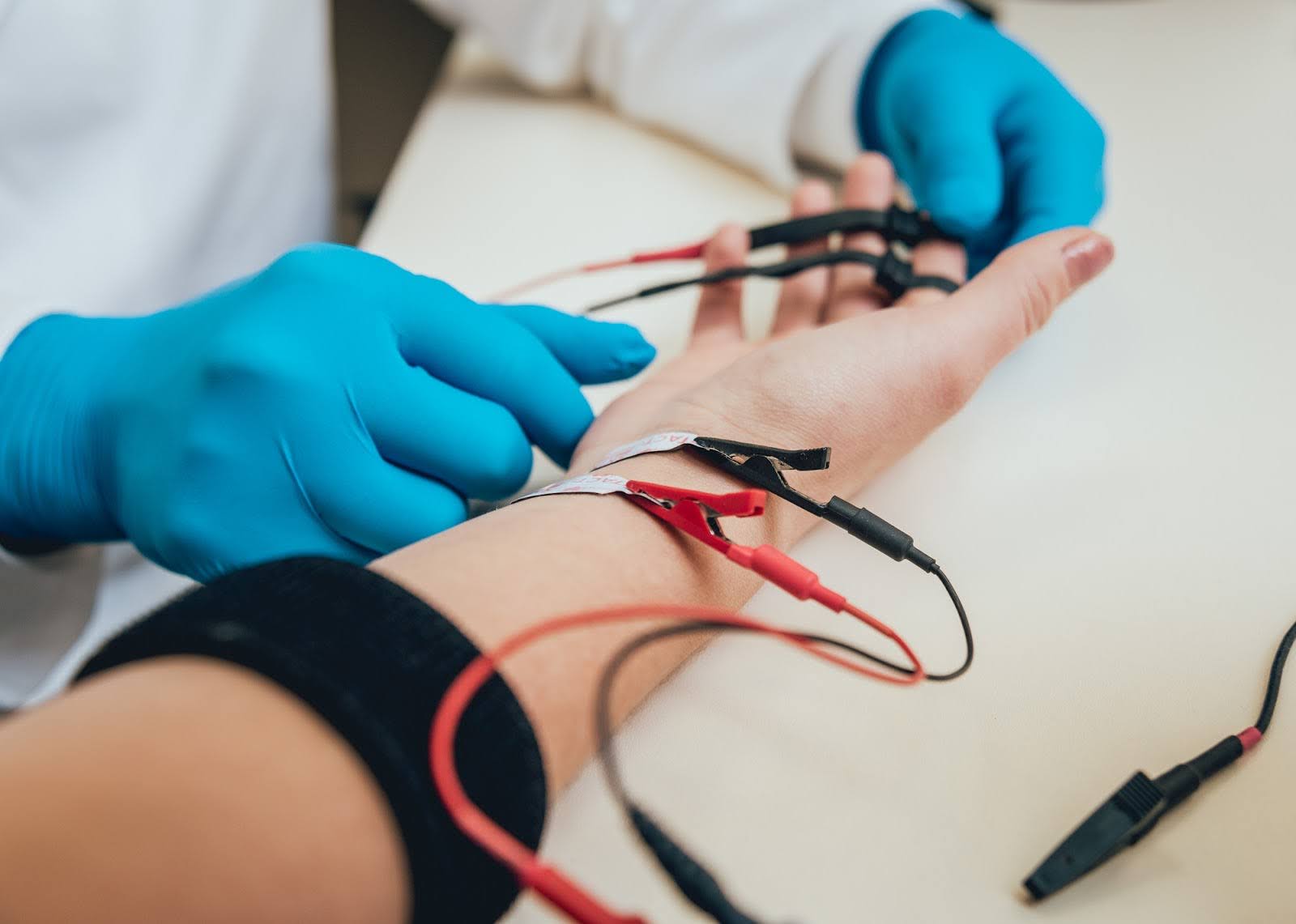
A nervous system scan evaluates nerve activity and muscle function. It helps detect stress patterns that affect spinal health. These scans often use surface EMG (sEMG) technology. This test measures electrical activity in muscles along the spine.
Muscles controlled by stressed nerves often show abnormal activity. This can appear as increased tension or imbalance.
A surface EMG scan helps identify:
- Areas of nerve irritation
- Muscle imbalance
- Chronic stress patterns
- Compensation from injury
This information supports precise treatment planning.
At clinics like The Natural Path Health Center, nervous system scans help assess how spinal function affects overall health and performance.
What Is a Thermal Scan and How Does It Detect Nerve Interference?
A thermal scan measures subtle temperature differences along the spine. These variations reflect changes in nerve activity and blood flow. Healthy nerves regulate circulation evenly on both sides of the body. When nerves become irritated or stressed, they may disrupt this balance. This creates detectable temperature differences along the spine.
This type of chiropractic testing helps reveal patterns that may not appear during a standard physical exam. A thermal scan can identify areas of nerve irritation, detect patterns of inflammation, and indicate signs of nervous system imbalance. These findings help chiropractors locate regions of dysfunction and understand how spinal stress affects overall nervous system function.
The test is non-invasive and painless. It provides objective data that supports accurate assessment and personalized care planning.
Why Is a Range of Motion Test Essential in a Chiropractic Exam?

A range of motion test measures how far and how smoothly your joints move. Restricted or uneven movement often signals joint dysfunction, muscle tension, or past injury. These limitations may exist even before pain becomes constant.
During the test, your chiropractor observes how your neck, spine, and affected joints move in different directions. They look for stiffness, hesitation, or asymmetry. These findings reveal how well your joints function and how your muscles support movement.
What Orthopedic Tests Do Chiropractors Perform to Identify Injuries?
Orthopedic tests evaluate the function and stability of joints, muscles, ligaments, and connective tissues. These tests help identify structural injuries and mechanical dysfunction that may contribute to pain, weakness, or limited mobility.
During the exam, the chiropractor guides your body through specific movements and applies gentle resistance. These controlled motions help determine how your joints and muscles respond under stress. This process can reveal signs of disc injury, joint instability, muscle strain, or nerve compression.
Each test provides valuable information about how well your musculoskeletal system functions. When a joint does not move properly or produces pain during testing, it often indicates an underlying issue that requires attention.
What Makes Chiropractic Testing Different From Standard Medical Exams?
Medical exams and chiropractic testing serve different purposes. Medical evaluations focus on diagnosing disease, injury, or pathology. Chiropractic testing focuses on how well the spine, joints, muscles, and nervous system function together. This functional approach helps identify early dysfunction before it develops into more serious problems.
| Category | Chiropractic Testing | Standard Medical Exam |
| Primary focus | Evaluates spinal alignment, nervous system function, and movement quality | Diagnoses disease, infection, injury, or structural damage |
| Goal of testing | Identifies functional problems that affect nerve communication and mobility | Identifies medical conditions requiring medication or medical intervention |
| Nervous system evaluation | Uses tools like nervous system scans, surface EMG scan (sEMG), and thermal scan to assess nerve activity | Typically evaluates reflexes and basic neurological response |
| Movement assessment | Includes posture analysis and range of motion test to detect imbalance and restriction | Limited movement evaluation unless injury is suspected |
| Approach to care | Focuses on restoring function, improving mobility, and reducing nerve interference | Focuses on treating symptoms, managing disease, or stabilizing injury |
| Preventive value | Detects dysfunction early, often before severe symptoms appear | Often performed after symptoms or illness develops |
Are Chiropractic Tests Safe and Comfortable for Patients of All Ages?
Yes. Chiropractic testing is safe and non-invasive. Most tests involve observation, gentle movement, or scanning technology. There are no injections or invasive procedures. These tests are safe for adults, children, athletes, and seniors. Chiropractic assessment provides valuable information without discomfort.
What Can You Expect After Your Chiropractic Assessment Is Complete?

After testing, your chiropractor reviews the results with you. At The Natural Path Health Center, we explain findings clearly and discuss how spinal function affects your symptoms. You receive a personalized care plan from our chiropractor based on objective data.
This plan may include:
- Chiropractic adjustments
- Nervous system support therapies
- Posture correction strategies
- Movement recommendations
Progress is monitored through follow-up assessments. This ensures care remains precise and effective. If you are searching for chiropractic tests in Fresno, choosing a clinic that uses advanced diagnostic tools helps ensure accurate evaluation.
Why Early Chiropractic Testing Can Prevent Long-Term Health Problems
Early testing helps detect dysfunction before it progresses. Untreated spinal dysfunction can contribute to chronic pain, reduced mobility, nerve irritation, and muscle imbalance. Early detection supports faster recovery and improved long-term function. Preventive assessment helps maintain nervous system health and structural balance.
Take the First Step Toward Better Spinal and Nervous System Health
Your body communicates through movement, posture, and nerve activity. Chiropractic testing helps interpret these signals. It reveals hidden dysfunction and guides targeted care. This process supports recovery, improves mobility, and helps prevent long-term problems.
At The Natural Path Health Center, we use advanced chiropractic assessment methods to evaluate spinal health and nervous system function. Our goal is to identify the root cause of dysfunction and create personalized care that supports lasting results.
If you are experiencing pain, stiffness, or nerve-related symptoms, schedule a consultation. Our team will help you understand your spinal health and guide you toward better function and well-being.
Frequently Asked Questions
How long does a chiropractic assessment usually take?
A complete chiropractic assessment typically takes 30 to 60 minutes during your first visit. This allows enough time to review your health history, perform posture analysis, evaluate joint mobility, and conduct nervous system scans if needed. More advanced testing, such as a surface EMG scan or thermal scan, may add additional time. Follow-up assessments are usually shorter and focus on tracking progress and adjusting care.
Do chiropractic tests require X-rays or imaging?
Not all chiropractic exams require X-rays. Many chiropractors rely on physical examination, posture analysis, orthopedic tests, and nervous system scans to evaluate spinal function. X-rays may be recommended if there is a history of trauma, suspected structural damage, or if more detailed imaging is needed. This decision depends on your symptoms, health history, and clinical findings.
Can chiropractic testing detect nerve damage?
Chiropractic testing can detect signs of nerve irritation, dysfunction, or abnormal nerve activity. Tools such as surface EMG scans and thermal scans measure muscle activity and nerve-related temperature changes. These tests do not directly diagnose severe nerve damage, but they help identify nerve stress patterns that may affect function. This information helps guide appropriate care and referrals if needed.
How often should chiropractic reassessments be done?
Reassessments depend on your condition and care plan. Many patients receive reassessments every 4 to 12 weeks to monitor progress and ensure treatment is effective. These follow-up evaluations may include repeat posture analysis, range of motion testing, or nervous system scans. Regular reassessment helps confirm that spinal function and nerve activity are improving.
Are chiropractic tests useful even if I am not in pain?
Yes. Chiropractic testing can detect dysfunction before pain develops. Poor posture, muscle imbalance, and restricted joint movement often exist long before symptoms appear. Early detection allows for preventive care that supports spinal health, nervous system balance, and long-term mobility. Many patients choose chiropractic assessments as part of a proactive health strategy, even when they feel fine.