More than 1 in 10 U.S. adults saw a chiropractor last year, and most of them went for one reason: pain relief. That’s a lot of people trusting chiropractic care with their bodies, which makes “are chiropractors safe” one of the most common questions typed into Google before a first visit. The short answer is yes, for the vast majority of patients — but the more useful answer looks at exactly what “safe” means for different people walking through the door.
This post covers what the research actually shows about chiropractic safety for adults, what it’s most effective for, what the evidence says about children, and a quick note on pregnancy, so you know what to expect before booking with a chiropractor in Fresno.
What the Research Says About Adult Safety
A 2017 review pulling together evidence from 250 scientific publications on spinal manipulation found that mild, short-lived side effects — soreness, stiffness, occasional headache — are common and usually resolve within 24 hours. Serious side effects, such as spinal or neurological complications, were reported but are very rare, and researchers don’t yet have precise estimates of how often they occur. The same review found that people with underlying health conditions may carry somewhat higher risk, which is why a thorough health history matters before treatment starts.
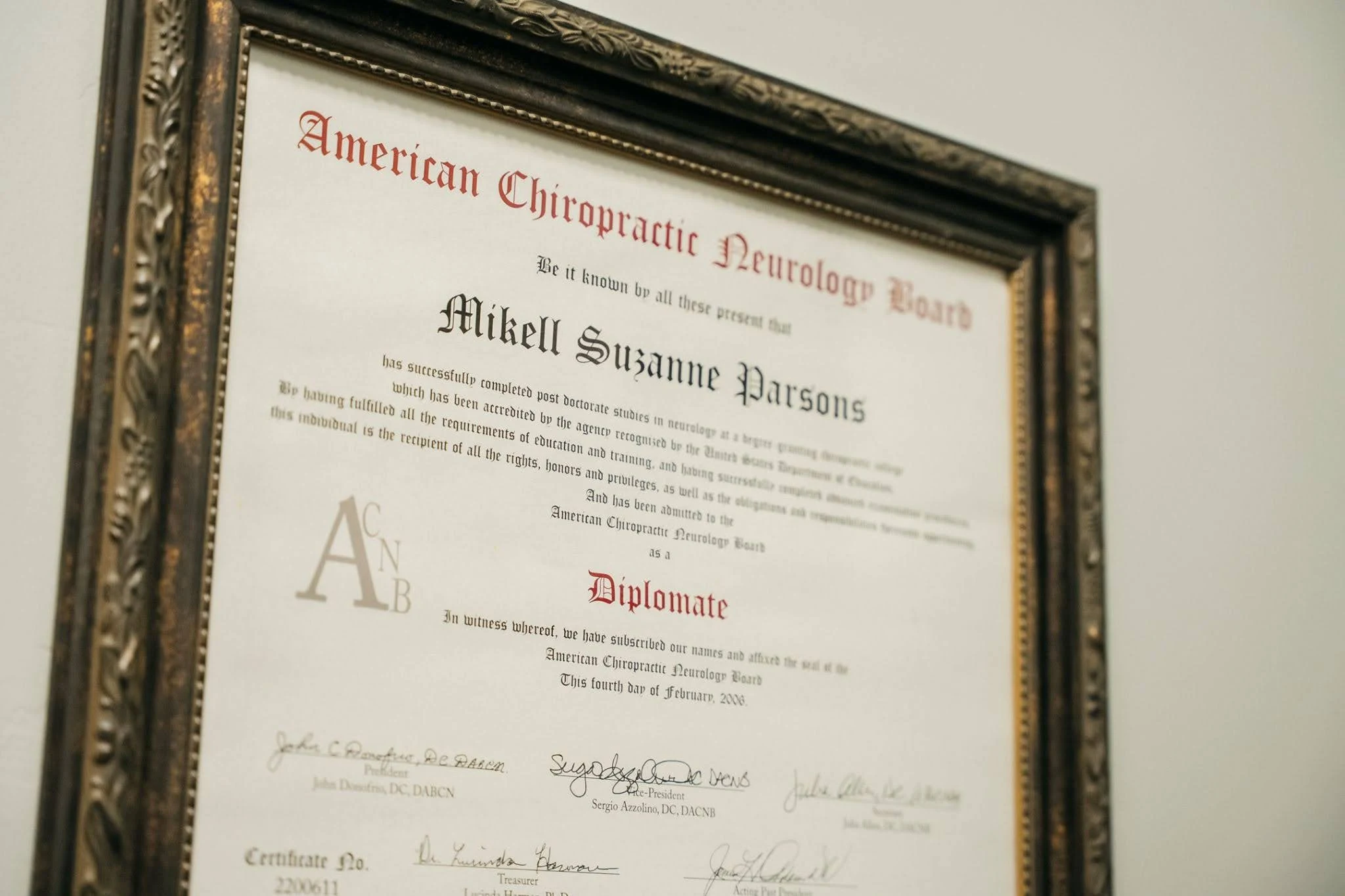
Chiropractors are also more regulated than many people assume. Every practicing chiropractor in the U.S. holds a Doctor of Chiropractic degree, has passed a national board exam, and carries a state license, with continuing education required to keep it.
What Chiropractic Actually Helps With
The benefits of chiropractic care are best documented for a specific set of conditions rather than as a cure-all. For acute low back pain, research shows spinal manipulation produces modest improvements in both pain and function, similar to what over-the-counter anti-inflammatory medication provides. For chronic low back pain and both acute and chronic neck pain, the evidence is similarly moderate: real, but not dramatic, and strongest when paired with exercise and self-management.
Headache relief has support too, particularly for cervicogenic headaches that originate from the neck rather than migraines, though researchers describe that evidence as preliminary and in need of larger studies.
Is Chiropractic Safe for Kids? What Parents Should Know
Pediatric chiropractic uses gentler, low-force techniques rather than the higher-velocity adjustments used with adults, and a 2025 review of pediatric chiropractic evidence and safety found that serious adverse events are rare, with no deaths reported in the literature reviewed. A practice-based survey of chiropractors and parents found roughly 3 adverse events per 5,438 pediatric office visits, and most were mild.
That same 2025 review was candid about a limitation worth knowing: evidence for chiropractic’s effectiveness with non-musculoskeletal childhood conditions remains limited, even though many pediatric patients seek chiropractic care for exactly that reason. For straightforward musculoskeletal complaints, the evidence base is more established. For anything else, it’s worth asking your child’s pediatrician what the evidence supports before adding chiropractic to the plan.
Quick Note on Pregnancy
If you’re pregnant and wondering the same thing, the NCCIH puts it plainly: serious adverse events from spinal manipulation during pregnancy are very rare, though rigorous research on the topic specifically is still limited. Talk with your OB or midwife before starting care, and look for a chiropractor trained specifically in prenatal techniques.
Safe Care Starts With the Right Questions, Not a Simple Yes or No
Chiropractic care, like most hands-on healthcare, isn’t universally “safe” or “unsafe” — it depends on the condition being treated, the technique used, and how thoroughly the provider evaluates you (or your child) before treatment starts. The research supports it well for common musculoskeletal pain in adults, cautiously for kids with similar complaints, and reasonably for pregnancy when the provider has the right training.
If you have questions about whether chiropractic care is right for you or your family, reach out to The Natural Path Health Center in Fresno to talk it through before your first visit.
FAQ
What are the side effects of a chiropractic adjustment?
The most common are mild soreness, stiffness, or a brief headache, which typically resolve within 24 hours. Serious complications are rare.
Do I need a referral to see a chiropractor?
No referral is required in most cases. Chiropractors can evaluate you directly, though they may refer you to a physician if something falls outside their scope.
Is it normal to feel sore after an adjustment?
Mild soreness for a day or so is common, similar to how muscles feel after a new workout. Pain that’s severe or worsening is worth mentioning to your chiropractor.
How do I know if a chiropractor is qualified?
Ask about their Doctor of Chiropractic degree, state license, and any specialized postgraduate training relevant to your needs, such as pediatrics or prenatal care.